What Does $1 Million Really Buy You in Mississauga in 2026? Full Cost of Living Breakdown
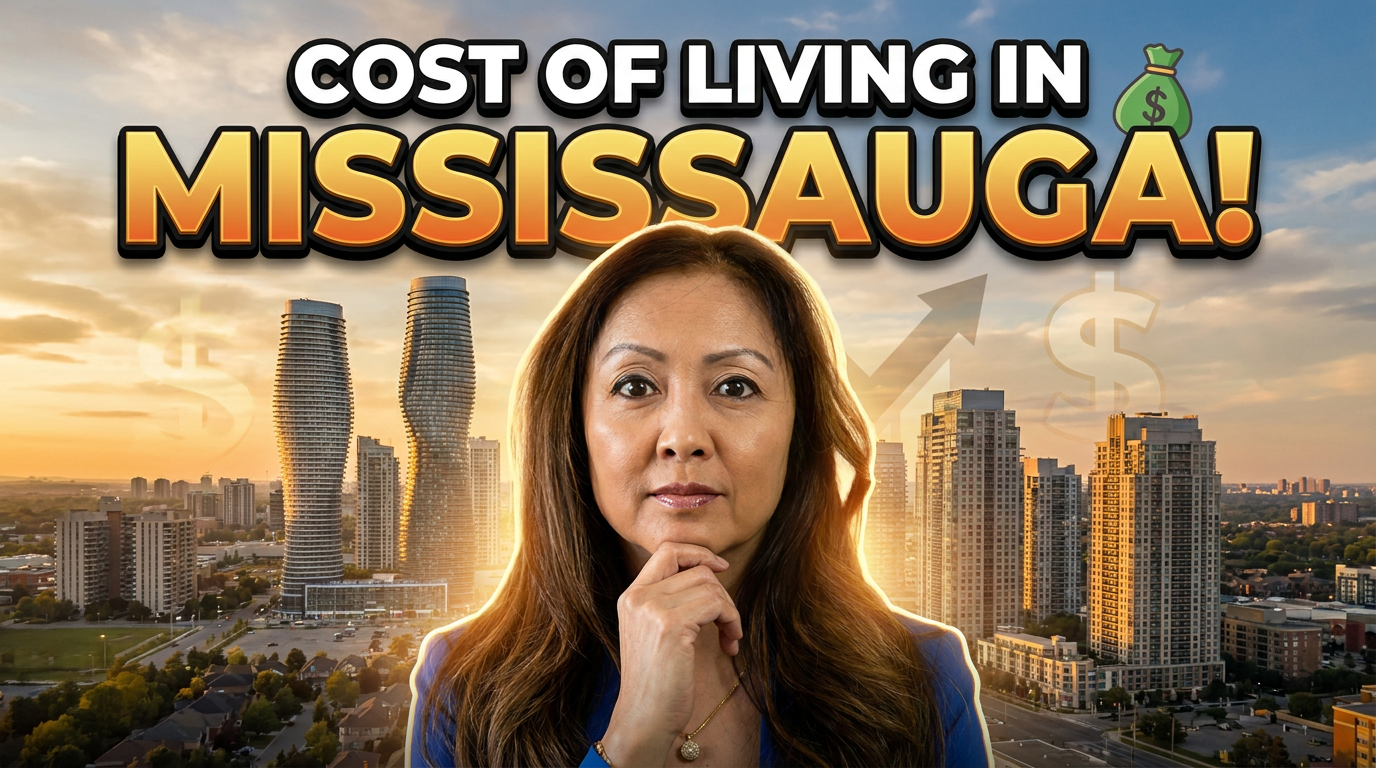
What Does $1 Million Really Buy You in Mississauga in 2026?
If you’re thinking about moving to Mississauga, Ontario, one of the first questions you’re probably asking is:
“Can we actually afford to live there comfortably?”
And honestly, that’s the right question to ask in 2026.
With rising housing prices, higher grocery bills, increasing insurance premiums, and growing monthly expenses across Canada, understanding the true cost of living in Mississauga has never been more important.
The good news? Mississauga still offers better overall value than many major Canadian cities while giving residents access to strong job opportunities, excellent schools, diverse communities, and one of the best locations in the Greater Toronto Area.
As a local Mississauga realtor who has helped families relocate here for over 16 years, I want to give you a realistic breakdown of what life here actually costs today — not just headlines or outdated statistics.
Let’s dive in.
Average Home Prices in Mississauga in 2026
The Mississauga real estate market has shifted significantly over the last 12 months.
Right now, the average residential sale price across all property types is sitting close to the $1 million mark.
But what that budget buys you depends heavily on the neighborhood and property type.
Here’s what buyers are typically seeing in today’s market:
Townhomes
Townhomes with garages are generally selling around the:
- $800,000 to $950,000 range
These are especially popular among first-time buyers and young families looking for more space without detached home pricing.
Detached Homes
Detached homes in Mississauga typically range from:
- $1 million to $1.5 million+
The good news for buyers is that inventory has improved, creating more negotiating opportunities than we’ve seen in years.
Luxury Neighborhoods
Prestigious communities like:
- Lorne Park
- Mineola
- Port Credit
can easily exceed:
- $2 million+
These areas continue to attract buyers looking for larger lots, luxury homes, top-rated schools, and proximity to the waterfront.
Renting in Mississauga: What to Expect
If you’re planning to rent before buying, rental prices have become slightly more manageable compared to previous years.
Average Rental Prices in Mississauga
- 1-bedroom condo: Approximately $2,000/month
- 2-bedroom condo: Around $2,400–$2,600/month
- Detached home rentals: Starting around $3,500/month
Areas like:
- Cooksville
- Mississauga City Centre
often provide more affordable rental opportunities compared to premium neighborhoods near the lake.
However, many renters forget to budget for additional monthly expenses including:
- Parking fees
- Utilities
- Internet
- Tenant insurance
Those extra costs can easily add several hundred dollars per month.
Property Taxes in Mississauga
One of the most overlooked costs of homeownership in Ontario is property tax.
For a home valued around $1 million, property taxes in Mississauga are currently close to:
- $8,000 annually
- Roughly $650 per month
And taxes have steadily increased over recent years.
When buyers focus only on mortgage payments, they often underestimate their true monthly carrying costs.
Home Insurance Costs Are Increasing
Insurance premiums across Ontario have climbed considerably, and Mississauga is no exception.
The average homeowner insurance premium currently ranges between:
- $130 to $150 per month
Because Mississauga has experienced several major flooding events over the years, enhanced protection is becoming increasingly important.
Many homeowners now add:
- Sewer backup coverage
- Flood protection
- Groundwater protection
to their policies.
This increases monthly premiums but provides critical protection for homeowners.
Bundling home and auto insurance together can often help reduce costs.
Condo Maintenance Fees Explained
If you’re considering a condo purchase in Mississauga, maintenance fees can significantly affect affordability.
Typical Condo Fees in 2026
Newer Buildings
Most newer condos charge:
- $0.50 to $0.75 per square foot
Older Buildings
Older buildings can range:
- $1.00+ per square foot
That means:
- An 800 sq. ft. condo may cost $400–$600/month in condo fees
- Larger units may exceed $1,000/month
Some buildings include:
- Heat
- Water
- Hydro
while newer condos often charge utilities separately.
Before buying a condo, always review:
- What’s included in the maintenance fee
- Reserve fund health
- Building condition
- Upcoming repairs or assessments
These details can dramatically impact your monthly budget.
Utility Costs in Mississauga
Monthly utilities for the average household generally include:
- Electricity
- Heating
- Water
- Internet
Combined utility expenses typically range between:
- $300–$350/month
Larger detached homes can see significantly higher heating costs during winter months.
Water bills have also risen noticeably over the last few years, with many homeowners now paying:
- $300+ every three months
depending on household size and usage.
Transportation Costs in Mississauga
Mississauga offers access to:
- MiWay Transit
- GO Transit
- TTC connections
But realistically, most families still rely heavily on vehicles.
Fuel Costs
Drivers are commonly spending:
- $300–$400/month per vehicle on gas
Car Insurance
Mississauga continues to have some of the highest car insurance rates in Ontario.
Average premiums are currently:
- Around $3,000 annually
- Approximately $250/month per vehicle
For households with two vehicles, transportation expenses can quickly become a major monthly cost.
Grocery Costs in 2026
Food prices remain one of the fastest-growing household expenses across Canada.
A family of four in Mississauga can expect to spend approximately:
- $1,200–$1,400/month on groceries and food
Compared to 2021, grocery prices have risen substantially, making budgeting more important than ever.
Toronto vs Mississauga: Which Is More Affordable?
One of the biggest reasons people choose Mississauga over Toronto is overall value.
Mississauga is generally:
- 6–10% less expensive than Toronto
That difference can save households thousands of dollars annually while still offering:
- Access to downtown Toronto
- Proximity to Pearson Airport
- Strong employment opportunities
- Family-friendly communities
Compared to Vancouver, Mississauga remains considerably more affordable for detached homes.
Compared to Montreal, Mississauga is more expensive overall but offers stronger economic opportunities and access to major industries.
Why So Many Families Choose Mississauga
Mississauga continues to attract buyers from across Canada and internationally because it offers a balance that’s difficult to find elsewhere.
Residents enjoy:
- Over 500 parks and trails
- Excellent schools
- Diverse communities
- Waterfront access
- Strong employment opportunities
- Convenient access to Toronto Pearson Airport
- Family-oriented neighborhoods
For many families, Mississauga delivers the ideal combination of city convenience and suburban lifestyle.
What Income Do You Need to Live Comfortably in Mississauga?
So what does it realistically take to live comfortably here in 2026?
For Renters
A family lifestyle generally requires:
- Approximately $6,500–$8,000/month
For Homeowners
Most households should realistically aim for:
- $120,000+ annual household income
Of course, your exact budget depends on:
- Housing type
- Number of vehicles
- Childcare expenses
- Lifestyle spending
- Condo fees
- Mortgage amount
But understanding the full financial picture before moving is critical.
Final Thoughts
Mississauga is not the cheapest city in Canada — but it continues to offer incredible value compared to Toronto and Vancouver while maintaining a high quality of life.
Whether you’re relocating for work, upgrading your home, downsizing, or moving to the GTA for the first time, understanding the true cost of living in Mississauga helps you make smarter financial decisions.
If you’re thinking about buying, selling, or relocating to Mississauga, feel free to reach out anytime.
I’d be happy to help guide you through the process and help you find the right neighborhood and home for your lifestyle.