Real Estate Newsletter – October 2026
In This Issue:
How to Buy Your Dream Home Without Overpaying
Learn how to recognize value, avoid emotional overbidding, and make confident buying decisions.
Read More »Why Homes Sit on the Market and How to Keep Yours Moving
Understand the common reasons homes do not sell quickly and what sellers can do to improve results.
Read More »Understanding the Real Estate Transaction from Start to Finish
See how the process works from preparation and offer negotiation through closing day.
Read More »
How to Buy Your Dream Home Without Overpaying
Buying a dream home is exciting, but excitement can sometimes lead buyers to stretch too far. A property may feel perfect because of its layout, location, finishes, or timing, but a smart buyer still needs to understand value. Overpaying can affect monthly comfort, future resale, and long-term financial flexibility. This report explains how buyers can pursue the home they truly want while keeping their decision grounded, strategic, and financially responsible.
1. Define What Dream Home Really Means
Before viewing homes, buyers should separate true needs from emotional preferences. A dream home is not always the biggest, newest, or most impressive property. It is the home that fits your life, budget, location needs, future plans, and comfort level. Buyers who define their priorities early are less likely to be distracted by features that look attractive but do not support their actual goals. A clear list of must-haves, nice-to-haves, and deal-breakers keeps the search focused.
2. Know Your Comfortable Budget Before You Fall In Love
It is much easier to set financial limits before emotions enter the process. Buyers should know their maximum purchase price, but they should also know their comfortable monthly payment. Taxes, insurance, utilities, maintenance, repairs, commuting costs, and lifestyle needs all affect affordability. A lender may approve one number, but your real-life comfort zone may be lower. Buying a dream home should not require sacrificing every other financial priority.
3. Study Comparable Sales
Comparable sales are one of the best tools for avoiding overpayment. Buyers should review similar homes that recently sold in the same area, with similar size, condition, age, and features. The list price alone does not determine value. Recent sold prices show what buyers were actually willing to pay. A strong agent can help interpret comparable sales and explain when a property deserves a premium and when the asking price is unrealistic.
4. Understand The Difference Between Price And Value
A lower-priced home is not always a better deal, and a higher-priced home is not always overpriced. Value depends on location, condition, layout, upgrades, lot quality, future resale appeal, and market demand. A home with fewer repairs, better functionality, and a stronger location may justify a higher price. However, buyers should be careful not to pay a premium for cosmetic details that can be changed later. True value is based on fundamentals, not just presentation.
5. Avoid Emotional Bidding
Multiple-offer situations can cause buyers to feel pressured. The fear of losing a property may lead to decisions that feel exciting in the moment but stressful later. Before submitting an offer, buyers should decide the price at which they would still feel good if they won, and the price at which they would feel relieved if they lost. That line is important. A strong offer should be competitive, but it should not create regret the next morning.
6. Be Willing To Walk Away
The strongest buyers are emotionally interested but financially disciplined. They can love a home and still walk away if the numbers no longer make sense. Walking away from an overpriced property is not failure. It is protection. There will almost always be another opportunity, but recovering from an overextended purchase can take years. Discipline is one of the most valuable tools a buyer has.
Conclusion:
Buying your dream home does not mean ignoring the numbers. It means finding the right balance between emotion, value, and long-term financial comfort. Buyers who define priorities, study comparable sales, understand true affordability, and stay disciplined are more likely to purchase with confidence.
Why Homes Sit on the Market and How to Keep Yours Moving
When a home sits on the market longer than expected, sellers can feel frustrated and uncertain. They may wonder whether buyers are being unrealistic, whether the market has slowed, or whether something about the property is holding the sale back. In many cases, the reason is not one single issue. It may be a combination of pricing, presentation, access, marketing, condition, timing, and buyer perception. This report explains why some homes stall and what sellers can do to regain momentum.
1. The Price May Not Match The Market
Pricing is one of the most common reasons a home sits. Buyers compare your property to others currently listed and recently sold. If the price is too high compared to similar homes, buyers may skip it entirely or wait for a reduction. Overpricing can also make a listing feel stale. The first weeks on the market are often the most important, so a pricing strategy should be based on evidence, not wishful thinking.
2. The Photos May Not Create Enough Interest
Many buyers decide whether to visit a property based on the online presentation. Dark photos, poor angles, cluttered rooms, missing key spaces, or inaccurate editing can reduce showings. Strong photography should make the home look inviting while remaining honest. If buyers are not clicking, saving, or booking showings, the first place to review is often the listing presentation.
3. The Property May Not Show Well In Person
A home can look good online but still disappoint during showings. Odours, clutter, poor lighting, worn finishes, uncomfortable room layouts, deferred maintenance, or overly personal decor can weaken buyer interest. Sellers should think of each showing as a buyer’s first emotional experience with the home. Clean, bright, neutral, and well-maintained spaces usually perform better.
4. Access May Be Too Difficult
If buyers cannot easily view the property, they may choose another one. Restricted showing times, short notice requirements, tenants, pets, complicated entry instructions, or frequently declined appointments can reduce traffic. Sellers do not need to make access unlimited, but they should make it as easy as reasonably possible. More qualified showings usually create better odds of receiving an offer.
5. Repairs May Be Creating Buyer Hesitation
Buyers notice signs of deferred maintenance. Loose railings, damaged flooring, roof concerns, old mechanical systems, water stains, cracked caulking, or visible wear can lead buyers to assume there are larger hidden problems. Some buyers are willing to do work, but they expect the price to reflect it. Sellers should decide whether to repair issues before listing or price the home accordingly.
6. A Strategic Adjustment Can Restore Momentum
If a home is not moving, doing nothing is rarely the best option. The solution may involve a price adjustment, new photos, staging changes, repairs, improved access, refreshed marketing, or repositioning the listing. The right adjustment depends on the cause of the problem. A thoughtful strategy can make the listing feel new again and attract buyers who previously passed it by.
Conclusion:
Homes usually sit on the market because buyers do not see enough value compared to other options. That value can be affected by price, presentation, access, condition, marketing, and timing. Sellers who respond quickly and strategically are more likely to regain momentum.
Understanding the Real Estate Transaction from Start to Finish
A real estate transaction can feel complicated because many steps happen in a short period of time. Buyers and sellers deal with financing, pricing, showings, offers, conditions, inspections, documents, deadlines, lawyers or closing professionals, and moving plans. When people understand the process, they feel more confident and make better decisions. This report provides a clear overview of the transaction from early preparation to closing day.
1. Preparation Comes First
For buyers, preparation means reviewing finances, getting pre-approved, understanding budget, and defining search criteria. For sellers, preparation means reviewing market value, completing repairs, gathering documents, and preparing the property for listing. The quality of preparation often affects the entire transaction. People who prepare early are better able to respond quickly when decisions need to be made.
2. The Search Or Listing Stage Begins
Buyers begin viewing homes and comparing options. Sellers launch their listing and begin receiving showings. This stage is where market expectations become real. Buyers may adjust their wish list after seeing what is available. Sellers may learn how buyers respond to the property, price, and presentation. Good communication with an agent is important because the market may provide feedback quickly.
3. Offers And Negotiation Create The Agreement
When a buyer is ready, they submit an offer. The offer usually includes price, deposit, closing date, included items, excluded items, conditions, and other terms. The seller can accept, reject, or counter. Negotiation may involve more than price. Timing, conditions, repairs, financing, and flexibility can all matter. Once both sides agree, the transaction moves into the next stage.
4. Conditions Must Be Satisfied
Many agreements include conditions such as financing, inspection, insurance, document review, appraisal, or sale of another property. These conditions give the buyer or seller time to confirm important details. Deadlines matter. If conditions are not satisfied or waived by the required date, the transaction may not move forward. This stage often requires quick action and careful communication.
5. Inspection And Due Diligence Protect The Buyer
Inspection and due diligence help the buyer understand what they are purchasing. An inspector may identify maintenance issues, safety concerns, or larger problems. Buyers may also review documents, property disclosures, permits, utility costs, zoning, or condominium information where applicable. The purpose is not always to find perfection. The purpose is to understand risk before completing the purchase.
6. Closing Day Completes The Transaction
On closing day, funds are transferred, documents are finalized, and ownership changes hands. Buyers receive access according to the agreement, and sellers receive proceeds after payouts and adjustments. Closing day can feel exciting, but it is the result of many earlier steps. A smooth closing usually comes from strong preparation, clear communication, and meeting deadlines throughout the process.
Conclusion:
A real estate transaction becomes less stressful when the steps are understood. Preparation, search, offer, negotiation, conditions, due diligence, financing, legal work, and closing all play important roles. A clear process leads to better decisions and a smoother experience.
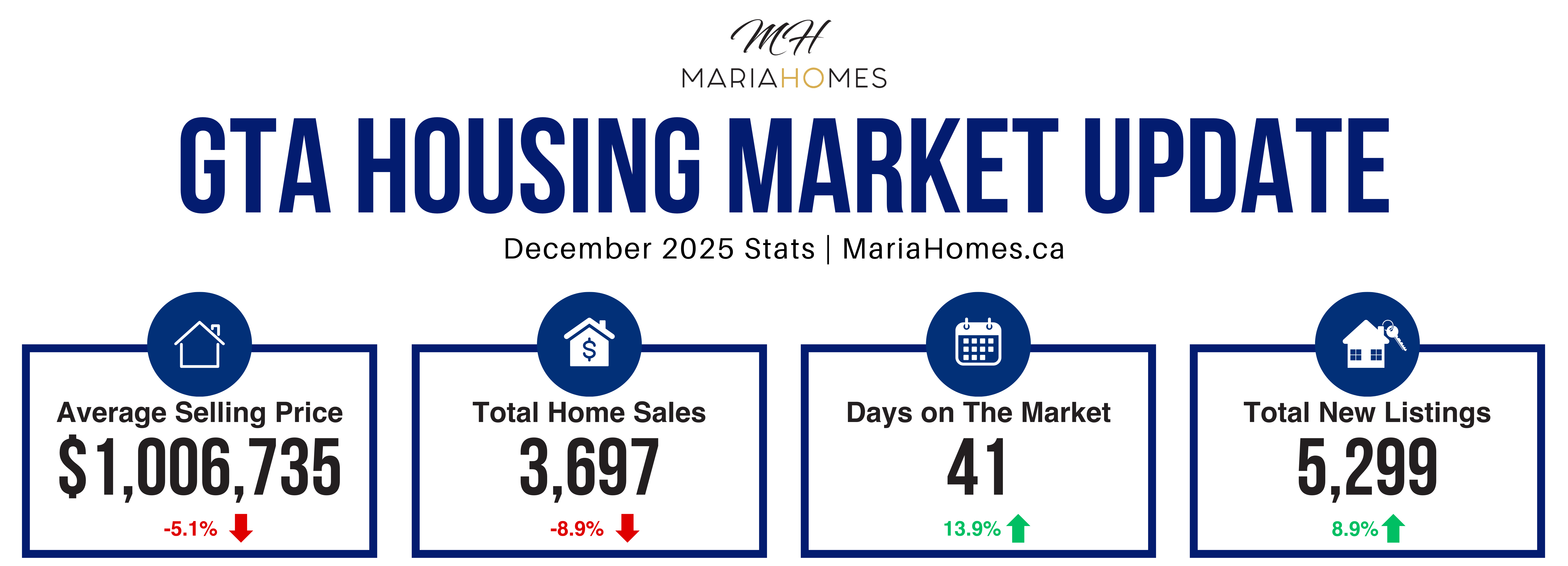
GTAREALTORS Release December StatsThe Greater Toronto Area (GTA) housing market experienced a noticeable shift in 2025, shaped by economic uncertainty, changing consumer confidence, and improving affordability. While overall home sales declined compared to the previous year, lower prices and easing mortgage rates have created conditions that could support a market recovery moving forward. In 2025, GTA REALTORS® reported 62,433 home sales, representing an 11.2% decline from 2024. This slowdown reflects hesitancy among buyers as concerns around the broader economy and job stability continued to influence major financial decisions. At the same time, new listings rose by 10.1% year-over-year, reaching 186,753 properties. Higher inventory levels gave buyers more options and negotiating power, helping to put downward pressure on prices across the region. One of the most significant developments in 2025 was the improvement in housing affordability. The average selling price fell to $1,067,968, a 4.7% decrease compared to 2024. According to the Toronto Regional Real Estate Board (TRREB), declining selling prices combined with lower mortgage rates helped make homeownership more attainable for many households. TRREB President Daniel Steinfeld noted that these trends have positioned the market for recovery. As confidence in the economy and labour market strengthens, pent-up demand is expected to return, driving future sales activity. December reflected similar trends on a smaller scale. Home sales totaled 3,697, down 8.9% from December 2024, while new listings increased by 1.8%. The MLS® Home Price Index (HPI) Composite benchmark declined by 6.3% year-over-year, and the average selling price dropped 5.1% to $1,006,735. On a seasonally adjusted basis, sales dipped slightly compared to November, while listings continued to rise. Interestingly, although benchmark prices edged lower month-over-month, the average selling price saw a modest increase—suggesting early signs of price stabilization. Looking ahead, TRREB Chief Information Officer Jason Mercer emphasized the importance of economic certainty. Reaffirmed trade relationships, large-scale domestic development projects, and stable employment conditions will be critical in restoring buyer confidence. Even in a more affordable market, households need assurance that they can comfortably manage long-term mortgage commitments. TRREB CEO John DiMichele highlighted the role of government action in supporting housing affordability. He urged all levels of government to consider tax relief measures to help ease the rising cost of living. Providing financial breathing room for families and individuals could help restore confidence, support stable households, and encourage participation in the housing market. While 2025 was a slower year for GTA home sales, it marked meaningful progress on affordability—an issue that has long challenged buyers in the region. With more balanced market conditions now in place, the stage is set for recovery once economic confidence returns. For buyers and sellers alike, the coming months will be shaped by how quickly stability and trust in the economy are restored.
|
GTA REALTORS Release September Stats
|