Bank of Canada Holds Interest Rates at 2.25% in 2026: What It Means for the GTA Housing Market
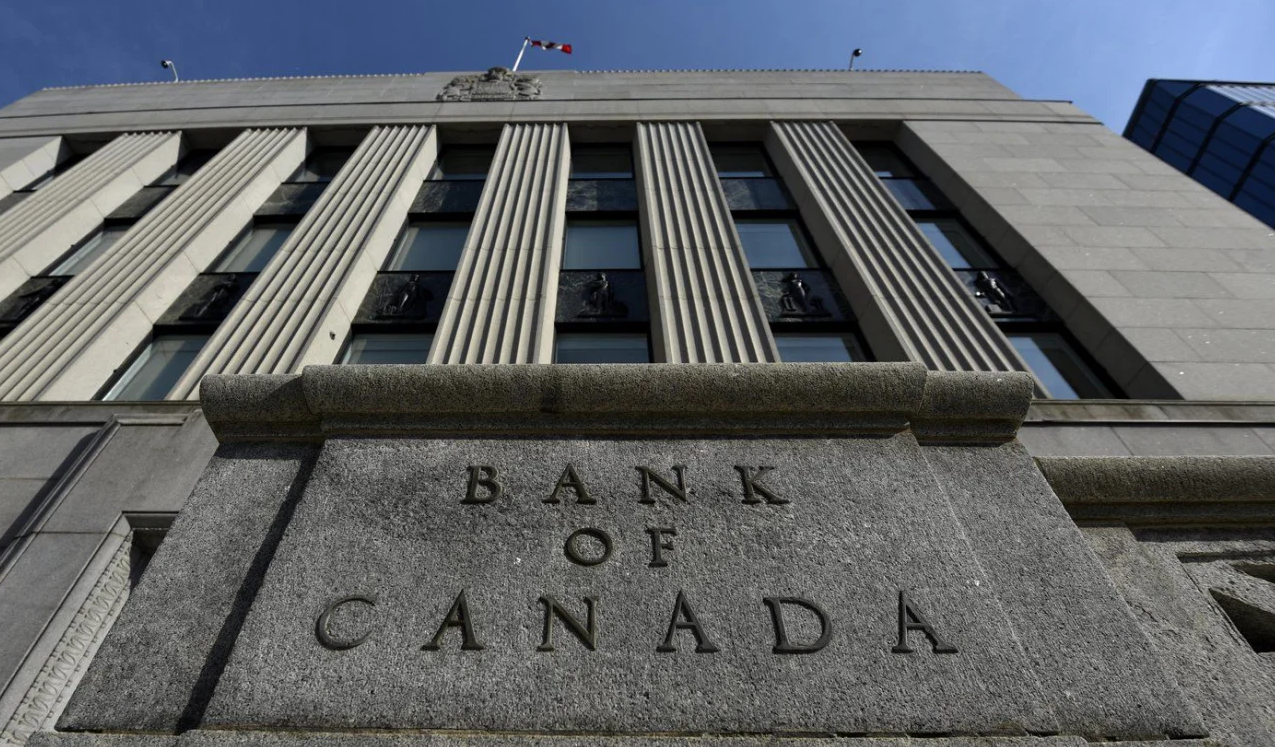
Bank of Canada Holds Rates at 2.25%: What This Means for Buyers and Sellers in 2026
If you’ve been watching the market closely, you’ve probably heard the latest update: the Bank of Canada has decided to hold its key interest rate at 2.25%.
At first glance, that sounds like stability—and in many ways, it is. But there’s a bigger story unfolding behind the scenes, and it’s one that could directly impact the real estate market across the GTA.
Let’s break this down in a way that actually makes sense for you as a buyer, seller, or homeowner.
Why Interest Rates Are Holding Steady (For Now)
Right now, the Bank of Canada is taking a “wait and see” approach.
There are two main forces at play:
- Inflation is relatively under control, sitting within the Bank’s target range
- The economy is still fragile, with slow growth and softer job conditions
At the same time, global uncertainty—especially the ongoing conflict involving Iran—is creating new risks. Rising oil prices are already pushing inflation higher in the short term.
So instead of making aggressive moves, the Bank is pausing to evaluate what happens next.
The Wild Card: Global Conflict and Oil Prices
Here’s where things get a bit unpredictable.
The war in Iran has already caused spikes in oil and gas prices, which tends to push inflation up globally.
And when inflation rises, central banks typically respond by raising interest rates to cool things down.
That’s why some experts are warning:
If the conflict continues or worsens, we could see rate hikes later this year instead of cuts.
But—and this is important—many economists still believe the Bank of Canada will hold rates steady through most of 2026, unless inflation becomes a bigger problem.
What This Means for Mortgage Rates
Let’s bring this back to real life.
Even though the Bank of Canada rate is holding, mortgage rates don’t always move in a straight line.
Here’s what we’re seeing:
- Variable rates are staying relatively stable (for now)
- Fixed rates are slowly creeping up, influenced by bond yields and global uncertainty
So if you’re waiting for rates to drop significantly… you might be waiting longer than expected.
And if global tensions push inflation higher, those rates could actually move up, not down.
What It Means for Buyers in the GTA
If you’re thinking about buying, this kind of market can feel confusing.
But here’s the reality:
- Stable rates mean predictability, which is good
- Less volatility creates opportunities to negotiate
- Inventory is still relatively high in many GTA segments
In other words, this isn’t the chaos of 2022—it’s a more balanced environment.
However, if rates rise later in 2026, affordability could tighten again. That’s why many buyers right now are choosing to act sooner rather than later, while conditions are still relatively stable.
What It Means for Sellers
For sellers, this environment requires a bit more strategy.
Buyers are still active—but they’re also:
- More price-sensitive
- Taking longer to make decisions
- Comparing more options
Holding rates steady helps maintain demand, but it doesn’t create urgency.
So if you’re selling in today’s market, pricing correctly and presenting your home properly matters more than ever.
What Happens Next?
Here’s the honest answer: no one knows for sure.
But based on current data and forecasts, there are three likely scenarios:
1. Rates Stay Flat (Most Likely)
The Bank continues to hold rates while monitoring inflation and economic growth.
2. Rates Drop Slightly
If the economy weakens further, we could see cuts—but this is becoming less likely.
3. Rates Increase (Wildcard Scenario)
If inflation rises due to oil prices and global instability, the Bank may be forced to hike.
Right now, the market is pricing in very little movement, but that can change quickly depending on global events.
My Take (And What I’m Telling Clients)
This is one of those moments where headlines can feel dramatic—but the actual opportunity is in the details.
We’re in a window of relative stability:
- Rates aren’t rising (yet)
- Buyers have more leverage than before
- Sellers still have demand, but need strategy
And those windows don’t last forever.
Final Thoughts
The Bank of Canada holding rates at 2.25% is a sign of caution—not confidence.
It tells us the economy is stable… but not strong.
It tells us inflation is under control… but not gone.
And it tells us the next move will depend heavily on what happens globally.
If you’re thinking about making a move in 2026, this is the kind of market where timing and strategy matter more than trying to “guess” the future.