
 |
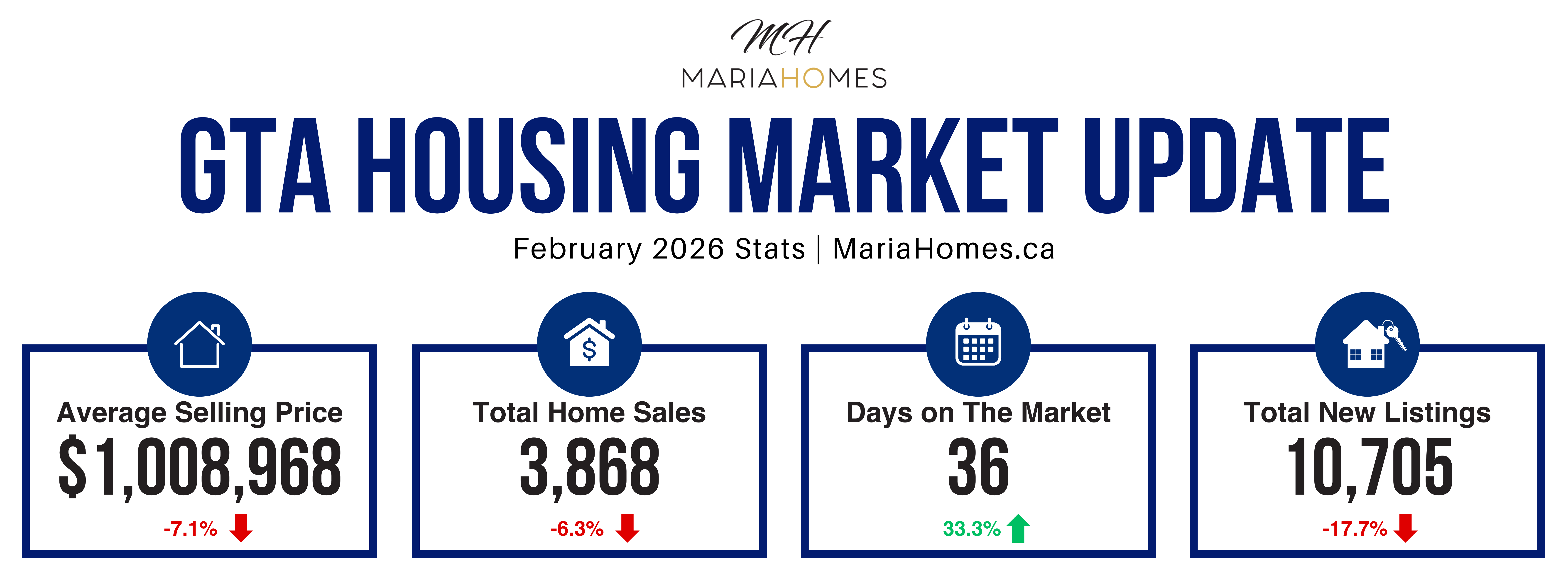
What February 2026 Numbers Mean for Buyers and SellersThe latest housing data from the Toronto Regional Real Estate Board shows an interesting shift in the Greater Toronto Area housing market. While home sales declined compared to last year, the number of homes hitting the market dropped even faster. This matters because when listings shrink faster than sales, the market can tighten quickly — and that can impact both pricing and competition for buyers. Let’s break down what happened in February and what it could mean if you're planning to buy or sell in the GTA this year. Home Sales Declined Compared to Last YearIn February 2026, there were 3,868 home sales across the Greater Toronto Area, which represents a 6.3% decline compared to February 2025. At first glance, that might suggest a slowing market. But sales numbers alone never tell the full story. To really understand what’s happening, you have to look at the supply side. And that’s where things get more interesting. New Listings Dropped Even MoreIn February, 10,705 new listings entered the MLS system, which is 17.7% fewer listings than the same time last year. When listings drop faster than sales, it reduces available inventory — which can tighten the market. In other words, while buyers may currently feel like they have time to wait, the number of homes available could shrink if this trend continues into the spring market. Prices Have Softened Year Over YearThe average GTA home price in February was $1,008,968, down 7.1% compared to February 2025. The MLS Home Price Index benchmark, which measures the value of a typical home, was also down 7.9% year over year. Month-to-month, both the average price and the benchmark price also declined slightly compared to January. For buyers who have been waiting for prices to stabilize, this is one of the reasons many are staying on the sidelines right now. There’s a Large Pool of Buyers WaitingOne of the most important insights from the report is that over 100,000 potential buyers are currently waiting on the sidelines. According to market analysts, many buyers are waiting for two things: • More stability in home prices Once confidence improves, this large group of buyers could quickly return to the market. And when that happens — especially if listings remain low — competition could increase quickly. Why Supply Remains a Long-Term IssueAnother key theme highlighted in the report is the need for more “missing middle” housing. This refers to housing types that fall between small condos and large detached homes, such as: • Townhomes These options are often more affordable for families who want more space but cannot afford detached home prices. Industry leaders are urging both federal and provincial governments to create policies that encourage more construction of these housing types across the GTA. What This Means for BuyersIf you're thinking about buying in 2026, the market may currently feel slower — but that could change quickly. If listings continue declining and the large pool of waiting buyers re-enters the market, we could see: • Increased competition Buyers who prepare early with financing, mortgage approvals, and a clear plan will be in a stronger position if market momentum picks up. What This Means for SellersFor homeowners thinking about selling, today’s market requires the right strategy. While prices are lower than last year, inventory is tightening, which could work in favor of well-priced homes that show well and are marketed properly. If listings remain limited through the spring and summer, sellers could benefit from reduced competition. Final ThoughtsThe February numbers show a market that is not collapsing, but adjusting. Sales are down, but supply is shrinking faster. And with over 100,000 buyers waiting on the sidelines, the potential for renewed market activity later in the year is very real. The key will be watching what happens with listings this spring. If inventory remains tight, the balance between buyers and sellers could shift faster than many people expect. If you're thinking about buying, selling, or investing in Mississauga or anywhere in the Greater Toronto Area, having a strategy in today’s shifting market makes all the difference. Working with a local expert can help you understand timing, pricing, and opportunities that others may miss. |