The Quiet Toronto Housing Boom No One’s Talking About
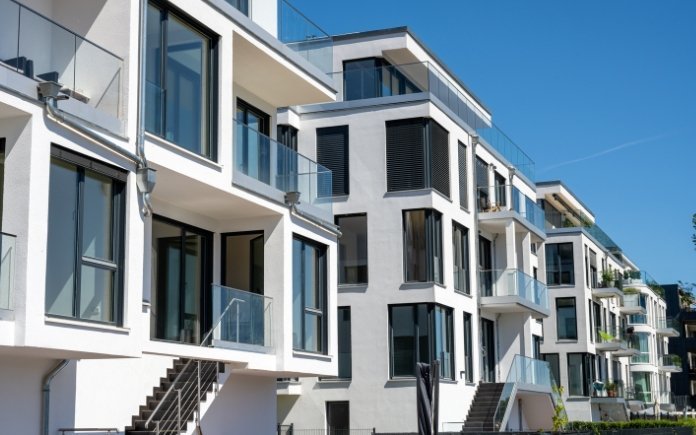
The Quiet Toronto Housing Boom No One’s Talking About: Why the “Missing Middle” Is the Future of GTA Real Estate
If you’ve been following real estate headlines lately, you’ve probably seen a lot of fear around the pre-construction condo market in Toronto.
Record lows. Cancellations. Slowing investor activity.
But here’s what most people aren’t talking about…
While high-rise condos cool down, a completely different opportunity is quietly gaining momentum across Toronto and the GTA — and it’s starting to reshape the future of housing in Mississauga and surrounding areas.
It’s called the “missing middle.”
And it could be one of the most important shifts we’ve seen in GTA real estate in decades.
What Is the Missing Middle in Toronto Real Estate?
The missing middle refers to housing types that fall between detached single-family homes and high-rise condo towers.
Think:
• Duplexes
• Triplexes
• Fourplexes
• Fiveplexes and sixplexes
• Garden suites
• Laneway suites
• Low-rise apartment buildings
For decades, much of Toronto’s residential land was restricted to either single-family homes or large condo towers. That created an extreme divide in housing options — either expensive detached homes or small condo units.
Now that’s changing.
Why the Missing Middle Is Expanding Across the GTA
A major reason this shift is happening is policy reform.
The City of Toronto introduced its Expanding Housing Options in Neighbourhoods (EHON) initiative, gradually allowing more low-rise, multi-unit housing in areas previously zoned only for detached homes.
Key changes include:
• 2018 – Laneway suites allowed
• 2022 – Garden suites allowed
• 2023 – Duplexes, triplexes, and fourplexes permitted citywide
• 2025 – Fiveplexes and sixplexes approved in multiple wards
This policy shift has opened the door for gentle density — meaning more homes in established neighbourhoods without massive high-rise developments.
And this matters for the entire GTA, including Mississauga real estate.
Mississauga has also been pushing for more housing supply, secondary suites, and multiplex-style development as part of Ontario’s housing targets. With Ontario aiming to build 1.5 million homes by 2031 — and currently falling short — municipalities across the GTA need new solutions.
The missing middle is that solution.
Why This Is a Big Opportunity for Investors in Mississauga and the GTA
Let’s talk about what’s really driving this.
For nearly 20 years, condos made up roughly 70 percent of new housing construction in the GTA. Investors relied heavily on pre-construction towers.
But rising interest rates, cooling sales activity, and delayed construction timelines have dramatically slowed that sector.
Meanwhile, demand for housing hasn’t disappeared.
Ontario continues to attract newcomers, and the GTA remains the top destination for immigration. That demand will eventually absorb today’s inventory — and when condo construction slows, supply shortages can return quickly.
Multiplex and missing middle properties offer something different:
• Faster construction timelines
• No reliance on massive pre-sale quotas
• Lower visual disruption in established neighbourhoods
• Larger units ideal for families
• Strong rental demand
In other words, these properties serve real end users — families, long-term renters, and multi-generational households — not just short-term investors.
That creates stability.
CMHC MLI Select: A Game-Changer for Multifamily Investing
One of the biggest drivers behind this shift is the CMHC MLI Select program.
This federal mortgage program is designed to support the development of rental housing with affordability, sustainability, or accessibility components.
Key benefits include:
• Up to 95 percent loan-to-value financing
• Up to 50-year amortization
• Preferred lending rates
• Qualification based on net worth rather than personal income
For projects with five or more rental units, this dramatically changes the investment math.
Instead of tying up large amounts of capital in traditional real estate investing, investors can leverage financing that reduces monthly carrying costs and increases long-term cash flow.
In many cases, once the property is stabilized and valued at completion, investors can recover a significant portion of their initial capital.
That’s why experienced investors are increasingly shifting from condo pre-construction into multiplex development.
What This Means for Mississauga Real Estate
While much of the conversation centers on Toronto, this trend absolutely impacts Mississauga real estate.
Mississauga is already seeing:
• Increased interest in legal secondary suites
• More duplex and triplex conversions
• Rising demand for family-sized rental units
• Investors looking for small multifamily opportunities
As condo supply slows and affordability pressures remain, buyers and renters will continue looking for alternatives.
Multiplexes in established Mississauga neighbourhoods offer:
• Larger living space
• Proximity to transit and schools
• Stable rental demand
• Long-term appreciation potential
For homeowners, this could also mean added flexibility. Converting an existing property into a legal duplex or triplex can create additional income while increasing overall property value.
For investors, it’s a strategic pivot in a changing GTA housing market.
What Happens Next in the GTA Housing Market?
Real estate is long-term.
Right now, inventory levels are higher and condo activity has slowed. But Ontario is still far behind its housing targets, building fewer than 90,000 homes per year while aiming for 150,000 annually.
Eventually, today’s supply will be absorbed.
When that happens — and new condo construction remains limited — housing shortages can resurface quickly.
The difference this time is that the missing middle will play a much larger role in filling the gap.
We’re already seeing strong application numbers for multiplex development in Toronto. As zoning becomes more flexible and financing programs remain supportive, that activity is likely to continue expanding across the GTA.
This isn’t a short-term trend.
It’s a structural shift in how housing is built in Ontario.
Is the Missing Middle Right for You?
If you’re a homeowner in Mississauga wondering how to maximize your property value…
If you’re an investor frustrated with the condo market…
Or if you’re looking for long-term passive income in the GTA real estate market…
This is a conversation worth having.
The future of housing in Toronto and Mississauga won’t be defined only by high-rise towers. It will be shaped by thoughtful, multi-unit properties in established neighbourhoods.
And those who understand this shift early will be in a strong position.
If you’d like to explore multiplex opportunities, conversion potential, or multifamily investments in Mississauga and the GTA, let’s talk. The opportunity is here — it’s just quieter than the headlines.